The future of art

Recent works
Steve Simmons began his journey as a sculptor in the 1990s. Building upon a creative foundation inherited from his parents, who were both accomplished painters, Steve developed a style that breathes
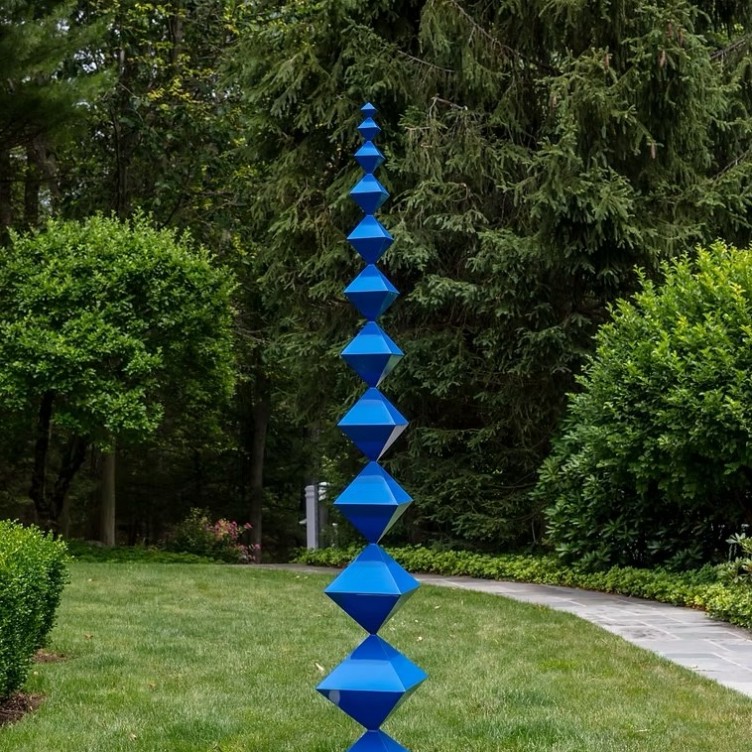
Kristin Jai Klosterman is best known for her large-scale mobile sculptures and mixed media paintings. Klosterman focuses on the exchange between contrasting mediums as a means to examine the balance of power between the masculine and feminine. While radically different in terms of presentation, both Klosterman's sculptural and painterly works draw their inspiration from an identical source—the Fibonacci sequence, which occurs spontaneously in nature.
Klosterman's sculptures are exhibited in numerous public forums in California, Texas, and Tennessee and in private collections domestically as well as abroad...
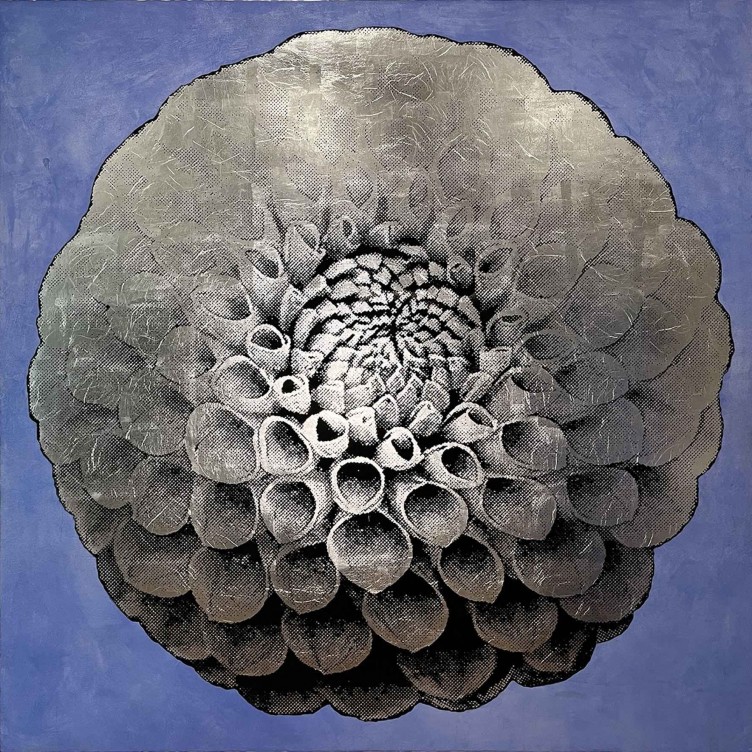
Hisako Kobayashi grew up in Tokyo before moving to New York City in 1981 to earn a Master of Fine Arts at Pratt Institute. An abstract painter, she has since exhibited her work on five continents over a span of three decades. Upon observation, her works clearly and openly illustrate a maternal devotion to her native Japan while at once embracing the essence of her newfound Western sensibilities.
Art critic Donald Kuspit has authored this on her work, "Kobayashi's paintings exemplify the romantic idea that 'it...
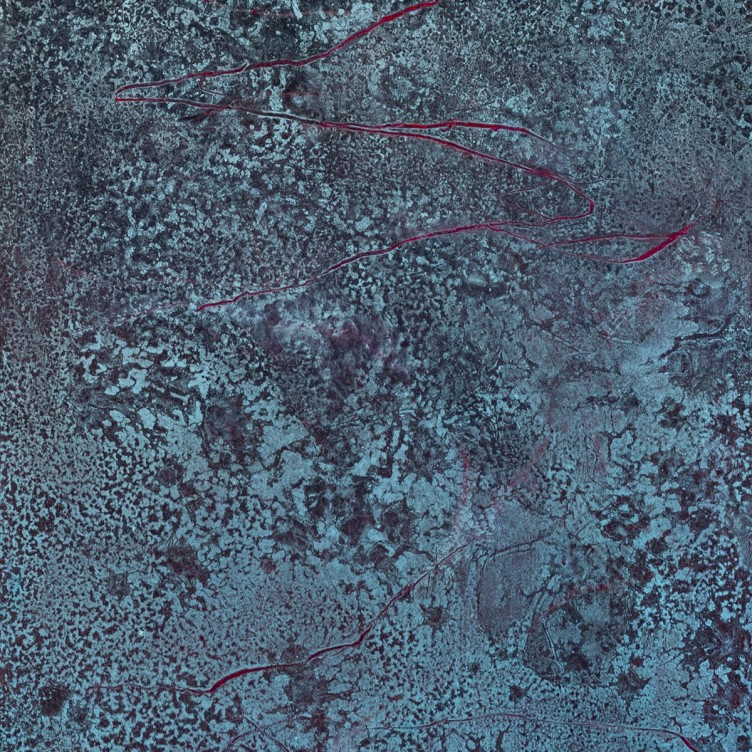
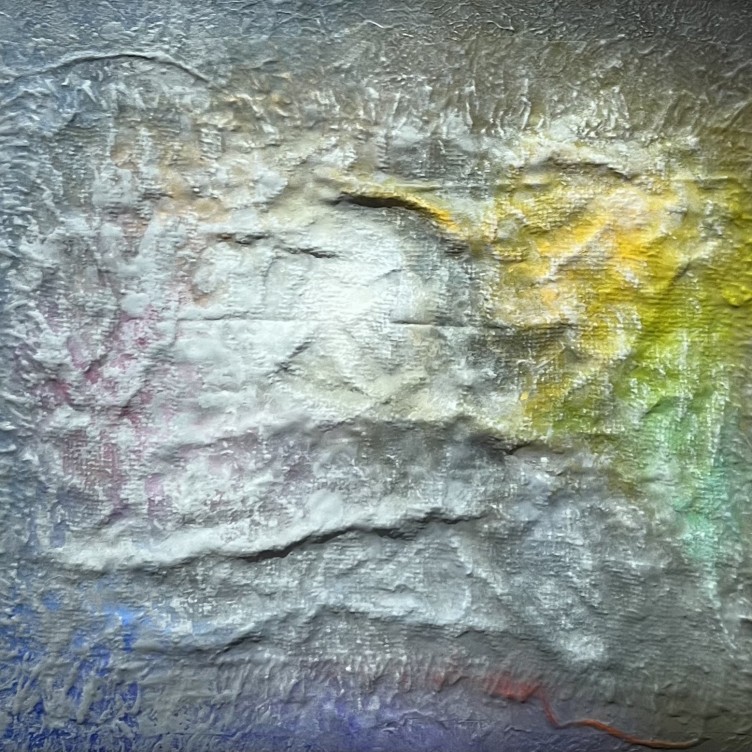
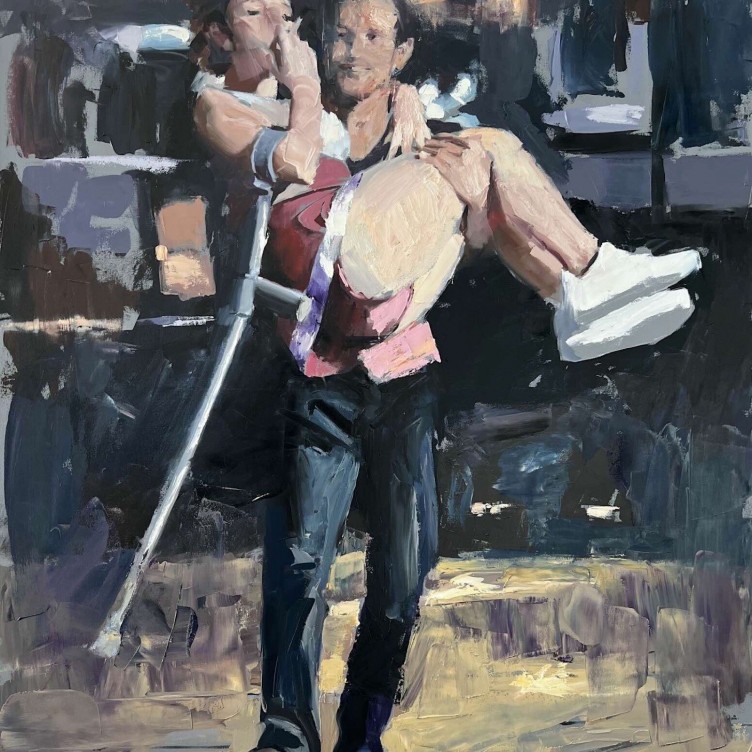
Mark Tennant’s paintings are renowned for their uncanny ability to capture small details of light and movement. Most of Tennant’s works are lit with a bright flash, giving the sense that his young subjects are the unsuspecting subjects of late-night Polaroid snapshots. His works are informed by the painting techniques of the Impressionists Édouard Manet and Pierre-Auguste Renoir. Tennant has taught museum copying at the Louvre and at the Metropolitan Museum of Art. His captivating paintings have been exhibited numerous times in the Salon d’Automne in Paris and reside...
Gallery News